Introduction: The Growing Importance of Alternative Investments
Alternative investments have become increasingly important in modern investing. As global markets experience volatility and uncertainty, many investors look beyond traditional stocks and bonds to protect and grow their wealth. The emergence of alternative investments helps diversify portfolios and offers new opportunities for return and risk management. In this article, we’ll examine alternative investments, their strategic roles, methods for integrating them, key risks and opportunities, and the ongoing evolution of this segment.
What Are Alternative Investments?
Alternative investments consist of asset classes outside the usual domains of stocks, bonds, and cash. Examples include private equity, hedge funds, real estate, commodities, infrastructure, collectibles, private debt, and digital assets like cryptocurrencies. These investments often operate independently of public markets. Therefore, they can offer diversification benefits by performing differently than traditional assets during economic cycles.
Many alternative investments involve more complex structures or agreements. They may be less liquid than stocks and bonds. Investors may face restrictions on how quickly they can sell their holdings. For a long time, only large institutional investors participated in these markets. However, digital platforms and evolving regulations are making alternatives more available to individuals. As a result, individual investors now have more access to private equity funds, peer-to-peer lending, and real estate projects.
Why Are Alternative Investments Important for Investors?
The appeal of alternative investments stems from their ability to enhance diversification and reduce overall portfolio risk. In times of financial stress, stocks and bonds often move together. Alternative investments, with their lower correlation to conventional markets, offer an extra layer of protection during downturns.
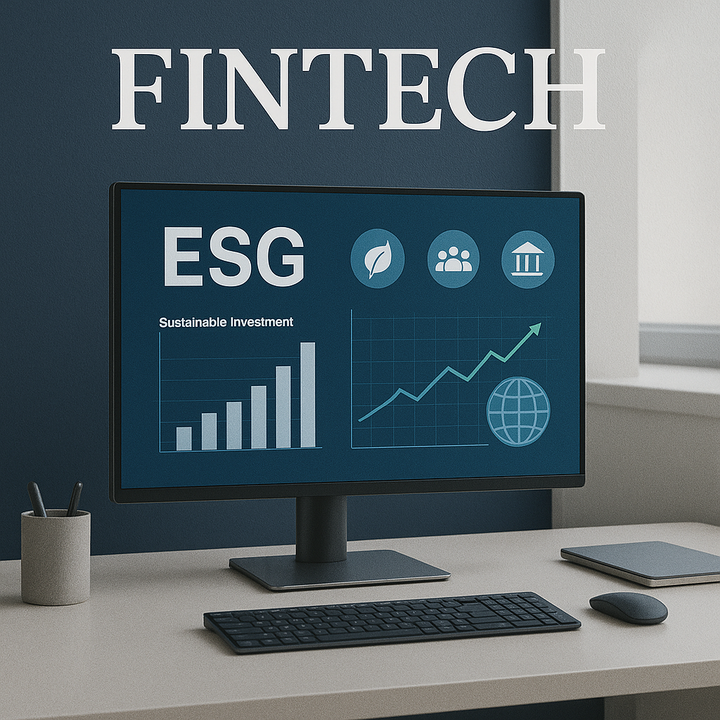
For institutional investors—such as pension funds or university endowments—alternative investments help meet ambitious return targets. These targets might be unattainable with traditional assets alone. Investments in real estate, infrastructure, or early-stage companies can yield higher potential returns. Alternatives also allow investors to tap into sectors like fintech, ESG (environmental, social, and governance), or high-growth technology startups.
As global interest rates stay low or become unpredictable due to changing monetary policies, alternative investments provide crucial pathways for yield and capital appreciation. Moreover, new fintech platforms, regulatory changes, and easier access support the continued growth of alternatives among retail investors.
Strategies for Incorporating Alternative Investments
Integrating alternative investments into a portfolio requires careful planning. Investors should assess their risk tolerance, investment time frame, and liquidity needs before making decisions. Not all alternatives are equal in terms of risk, return, or complexity, so asset allocation should reflect these differences. For instance, some alternatives may tie up capital for years, while others might be more liquid. Evaluating how these assets fit your financial goals is important.
Diversifying within the alternatives universe is also key. Investors might split allocations between real assets, private equity, venture capital, or digital tokens. Institutional players often use limited partnerships and interval funds for access, whereas individuals may invest through alternative investment funds or online platforms. Regardless of the method, due diligence is essential: analyzing the manager’s track record, assessing fees, checking legal structures, and understanding regulatory requirements.
Regularly reviewing and rebalancing your allocation helps maintain an optimal portfolio mix over time. This ongoing process is necessary because markets and personal circumstances change. Staying informed about your chosen asset classes and their evolving risks ensures a proactive stance when integrating alternatives.
Risks Associated with Alternative Investments
Despite their benefits, alternative investments have unique risks. One of the most significant issues is liquidity. Because many alternatives are not traded on public markets, it can take months or years to sell a position. Many funds require investors to commit their money for specific periods.
Valuation risks also arise, since pricing alternative assets is often less transparent. While public securities have clear market prices, alternatives may rely on appraisals or internal calculations. Operational risk is another concern. Complex investment vehicles or private deals may come with unique management, technology, or legal issues, so oversight and experienced management are essential.
Regulatory risk is important, too. Legal changes can directly impact digital assets, ESG investments, or crowdfunding. Leverage and concentration risk can amplify losses, especially in hedge funds or specialized strategies. Counterparty risk, where a party fails to meet obligations, can also affect non-exchange-traded instruments. Comprehensive due diligence and monitoring can help mitigate these risks, but investors must understand the unique characteristics of each alternative asset.
Opportunities Presented by Alternative Investments
Alternative investments offer access to returns and sectors unavailable in traditional public markets. Private equity allows investors to fund high-growth startups or innovative firms before they go public. This exposure often brings the potential for outsized returns. Real estate investments can generate steady income and hedge against inflation. Infrastructure projects, such as renewable energy or transportation networks, provide long-term, yield-based returns and often benefit from public-private partnerships.
Commodities—including energy, metals, and agriculture—offer diversification from equity markets and can protect against inflation. The growing digital asset ecosystem, such as blockchain-based finance and tokenized assets, creates opportunities in areas like machine learning-driven trading or peer-to-peer lending. These markets develop rapidly and can provide high returns for knowledgeable investors.
Alternative investments also enable impact investing, which aligns financial goals with social or environmental objectives. Investors can back clean energy companies, affordable housing, or initiatives addressing global challenges. Each opportunity comes with risks, but with proper research and strategic allocation, alternatives can help investors achieve both returns and positive impact.
Emerging Trends and Technology in Alternative Investments
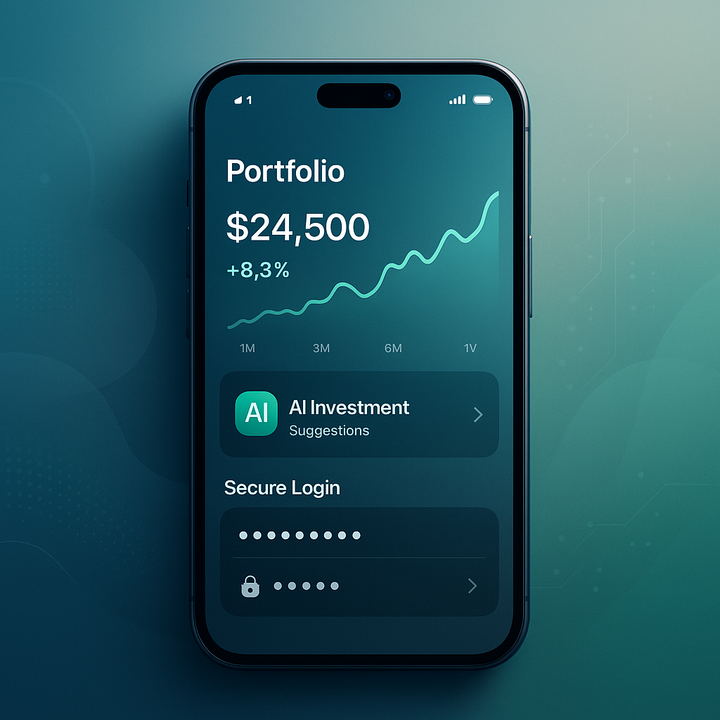
Technology revolutionizes how investors access and manage alternative investments. Blockchain enables fractional ownership—investors can own pieces of real estate, art, or private equity, broadening participation. Artificial intelligence and advanced analytics help assess risks, vet deals, and optimize asset selection more efficiently than ever before.
New platforms allow investors to research, compare, and invest directly in alternatives, sometimes with lower minimum requirements. Secondary markets for trading private assets increase liquidity and price discovery. Furthermore, rising interest in ESG-focused alternatives attracts both retail and institutional buyers, integrating sustainable objectives into the fabric of investing.
Regulatory adaptations and educational initiatives help investors navigate this changing environment. Marketplaces and digital providers increase transparency, disseminate performance data, and provide access to new sectors. Technology-driven innovations will continue expanding the range and diversity of alternative investment opportunities.
Critical Considerations: Education and Regulation
Education plays a vital role in unlocking the full value of alternative investments. Investors must keep up with evolving regulations that impact crowdfunding, digital assets, reporting standards, and eligibility. The legal landscape is dynamic because many governments aim to balance investor protection with financial innovation.
Ongoing education through industry bodies, financial institutions, and online platforms supports better decision-making. Risk assessment, tax treatment, and operational best practices require specialized knowledge. The resources available to investors have increased, but so has the need for discernment. Continuous learning about withdrawals, liquidity limits, and sector-specific risks helps investors avoid mistakes and capitalize on new opportunities.
The Future Outlook for Alternative Investments
Looking ahead, alternative investments are set to gain ground in global portfolios. Persistent volatility in public markets, plus the desire for additional return streams, make alternatives a pillar of sophisticated investing. Fintech advances and regulatory progress will further enable individuals and organizations to diversify beyond conventional assets.
Successful investors will analyze a wide range of opportunities, optimize their allocations, and adapt as financial markets change. Technology will fuel access and provide tools that make alternatives more transparent and manageable. Changes in demographics, sustainability pressures, and economic cycles will continue shaping how alternatives are used within portfolios.
Conclusion: The Role of Alternative Investments in Modern Finance
Alternative investments offer essential tools for diversification, risk reduction, and new opportunities in today’s dynamic markets. Incorporating alternatives into your portfolio calls for thorough planning, regular learning, and careful monitoring of market trends and regulations. Investors and professionals who understand the nuances of alternative assets will be best positioned to build resilient, adaptive financial strategies.
If you want to deepen your knowledge and stay informed about the latest innovations in this area, explore more insights under Investing and Diversification.
About the Author